In a hazardous environment, clear and reliable communication is crucial. Whether it is a chemical plant, an offshore platform, or a fuel storage facility, the capability to communicate instantly and reliably can have a direct impact on incident response, efficiency, and confidence.
Push-to-talk, or PTT for short, has become one of the most successful methods of communication in these environments. When properly implemented on intrinsically safe mobile devices, it fills the gap between conventional two-way radios and smart devices.
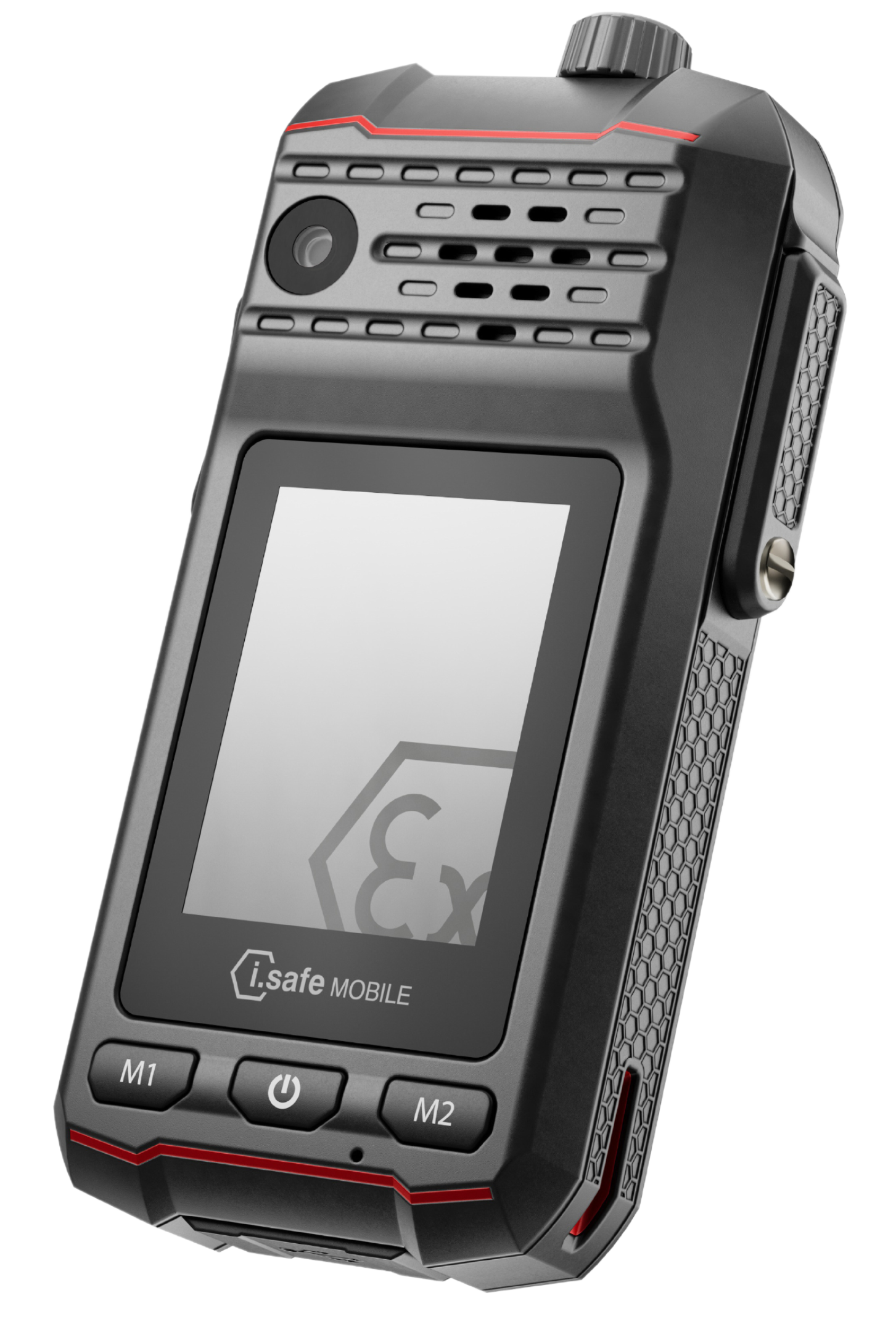
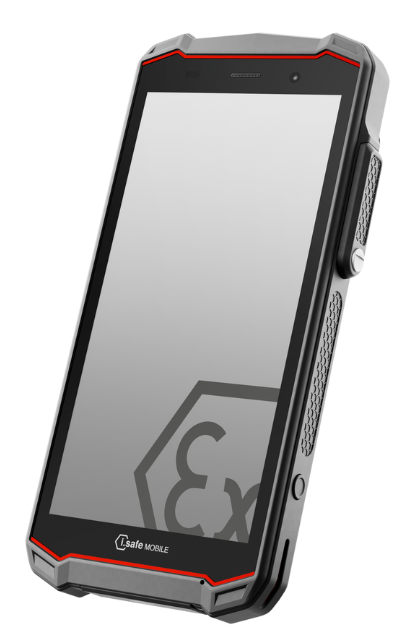
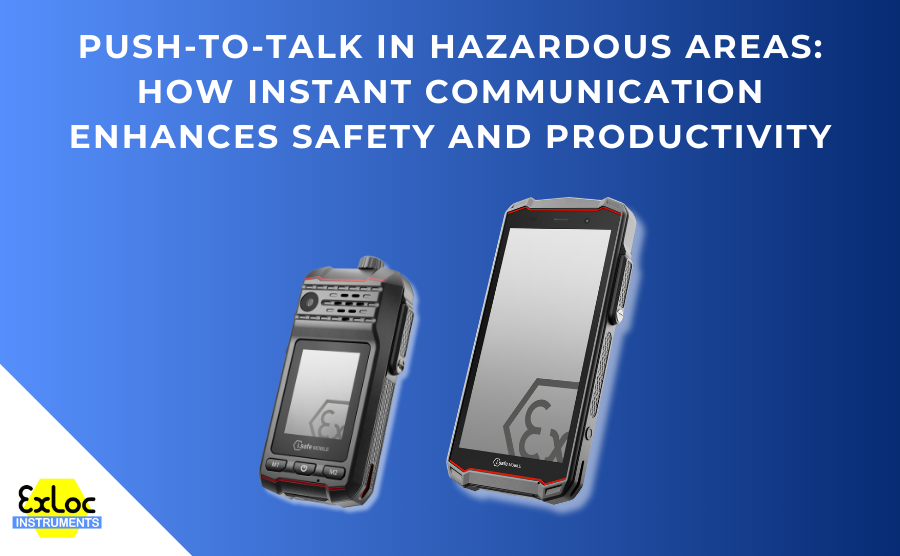
This blog post describes how push-to-talk technology is applied in dangerous environments, why it differs from consumer walkie-talkie applications, and why new intrinsically safe smartphones like the IS540.1 and 5G radios like the new IS440.1 have become a popular choice.
What Is Push-to-Talk and Why Does It Matter in Hazardous Areas?
Push-to-talk enables one to talk instantly by pressing a button. There is no dialling, ringing, or waiting for the other person to respond to a call. The message goes through instantly to either an individual or a group. In dangerous environments, this is even more important. The workers may be wearing PPE, gloves, or breathing apparatuses. They may also be working at height, in confined spaces, or near live processes. In these environments, it is not practical to stop and make a phone call or type a message.
Conventional two-way radios have traditionally served this purpose, but they also have some drawbacks. They are usually single-function devices, they are not integrated with current systems, and they cannot support data, images, and applications that are currently needed in industrial processes. The push-to-talk function on an intrinsically safe smart device offers the simplicity of a radio and the functionality of a smartphone.
How Push-to-Talk Is Actually Used on Site
In practical hazardous area operations, push-to-talk enables more formal, repeatable processes that can enhance safety and efficiency.
Operations and Maintenance Teams
Maintenance engineers can keep in constant contact with supervisors and control rooms while on the move around the site. A fault can be reported instantly, advice given immediately, and work coordinated without delay or misunderstanding.
Lone and Remote Workers
For lone workers, push-to-talk functionality is an efficient and easy way to check in, express concerns, or alert an issue before it becomes an emergency. When integrated with lone worker software and SOS features, it is a part of a larger personal safety solution.
Emergency Response
In abnormal occurrences or shutdowns, communication must be clear and immediate. Group push-to-talk enables teams to coordinate their actions in real time, thus preventing confusion and ensuring control in high-pressure situations.
Noisy Industrial Environments
In noisy environments, push-to-talk communication using industrial headsets or speaker microphones enables effective communication without having to take off PPE or interrupt work.
Why the IS540.1 and IS440.1 Work So Well for Push-to-Talk
The IS540.1 and IS440.1 are intrinsically safe devices designed specifically for industrial use by people who require instant communication. They enable professional push-to-talk services on cellular and Wi-Fi networks, which provide seamless communication over a wide area and even between different locations. They do not have the line-of-sight or site-limited coverage of traditional radios.
The physical PTT buttons make the experience intuitive and glove-friendly, very close to what users would expect from a radio. This helps with training and adoption on site. Because these tools are smartphones, push-to-talk is not a function that stands alone. Employees can easily transition between voice communication, work orders, inspection apps, digital drawings, photos, and reporting tools on one authorised device. This eliminates the need to carry multiple pieces of equipment into a dangerous environment. Battery life, ruggedised enclosures, and OS longevity are also factors. These are devices which are intended to operate an entire shift, every shift, in a harsh industrial environment.
Real-World Impact: From Communication Tool to Safety System
When push-to-talk is implemented on intrinsically safe devices, it becomes a part of a larger digital safety and productivity ecosystem. Supervisors have better visibility of field teams. Response times are improved. Employees feel more connected and supported, especially in remote or high-risk areas. Incidents are easier to report, investigate, and learn from. In fact, for many operations, the transition from radios to intrinsically safe smart devices with push-to-talk functionality is more than a technology upgrade. It represents a transition towards more connected, responsive, and safe operations.
Push-to-talk communication is still one of the simplest and most effective means of communication in dangerous environments. When combined with intrinsically safe technology, it offers much more than simple voice communication. Systems like the IS540.1 and IS440.1 illustrate how hazardous area communication today can be instantaneous, secure, and fully integrated with the work processes of today’s industrial environment. For companies seeking to enhance safety, coordination, and efficiency in the workplace, push-to-talk functionality on intrinsically safe mobile phones is no longer an alternative but the norm.