ATEX Headsets and Mobile Devices: Choosing the Right Communication Setup for Noisy Work Areas
Communication in noisy industrial environments is not always straightforward, particularly where workers need to wear hearing protection while using mobile devices. An engineer might need to speak to somebody working nearby, contact a supervisor elsewhere on site or access technical information during maintenance. Each task involves communication, but the equipment requirements can be quite different. A smartphone or tablet might provide the necessary connectivity, although that doesn't automatically solve the problem of being able to hear and communicate effectively against background noise.
Hearing Protection and Communication in Noisy Areas
Conventional hearing protection reduces noise exposure, but it can also make speech and other important sounds more difficult to hear. The challenge is finding an appropriate level of protection without unnecessarily restricting communication or awareness of the surrounding environment.
The Sensear SM1P-Ex is designed for applications where hearing protection and communication need to work together. Its SENS® (Speech Enhancement, Noise Suppression) Technology uses microphones and digital processing to suppress background noise while enhancing speech, allowing workers to communicate face-to-face without removing their hearing protection. Supported models also provide short-range headset-to-headset communication, allowing nearby colleagues to speak without relying on a separate mobile phone or radio network. This can be particularly useful for maintenance teams working together in the same area, although environmental awareness and the ability to recognise warning signals must still be assessed against site conditions.
Extending Communication with ATEX Mobile Devices
The requirements change when communication needs to extend beyond the immediate work area. An engineer moving around a large industrial site may need to contact colleagues through a cellular or Wi-Fi network, use Push-to-Talk applications or communicate with somebody working remotely. In these situations, a headset can provide the hearing protection and audio interface, while a suitable mobile device handles the wider communication.
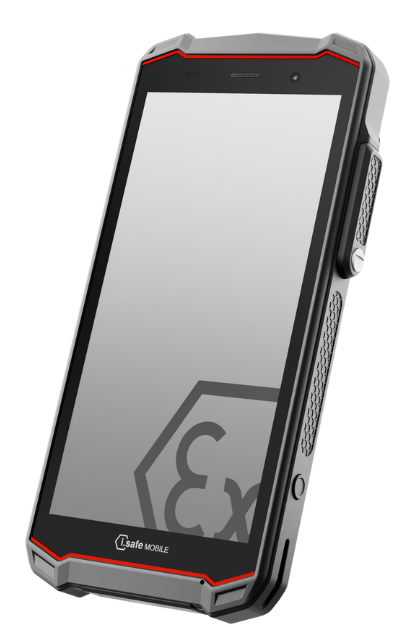
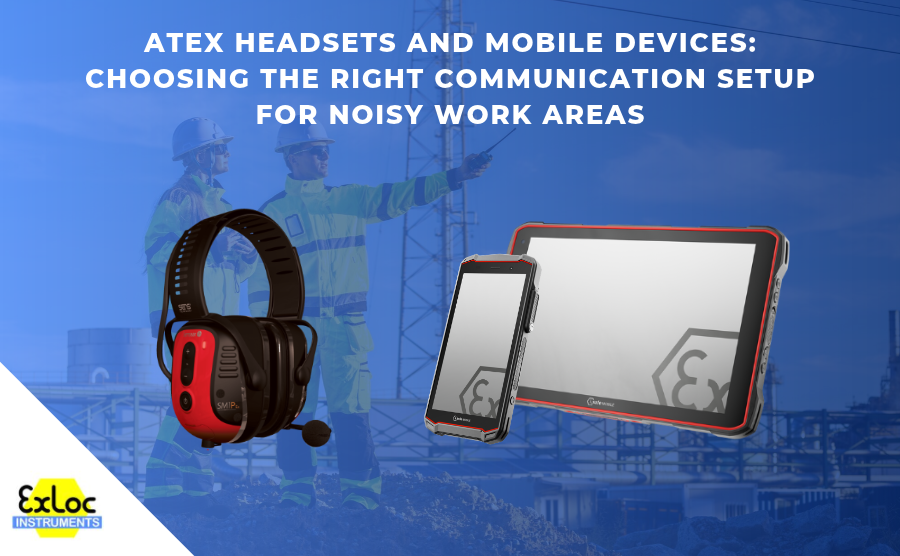
The i.safe MOBILE IS540.1 is one example, combining Zone 1/21 certification with 5G connectivity and the ability to run compatible industrial communication applications. The Sensear SM1P-Ex combined with the IS540.1, offers a range of options for incorporating hearing protection into a mobile communication setup. The smartphone can also support tasks such as inspection photography, digital reporting and accessing maintenance information, so the same device can serve several purposes throughout the working day.
For more detailed work, a larger screen may be preferable. The IS940.1 provides a 10.1-inch Android tablet certified for Zone 1/21, making it suitable for working with digital inspection forms, technical documentation and maintenance applications. An engineer could use the tablet to review equipment information while communicating with colleagues through an appropriately configured headset or could even video call a a colleague for advice.
Choosing the Right Combination
These examples illustrate why communication equipment should be selected around the work rather than treated as a collection of individual products. Short-range headset communication may be sufficient for colleagues operating close together, while wider communication requires a suitable network and connected device. Where detailed technical information forms part of the task, a tablet can provide additional functionality without necessarily changing the underlying communication requirements.
Exloc supplies Sensear communication headsets alongside ATEX smartphones, tablets and dedicated communication devices from i.safe MOBILE. If you're reviewing communication requirements for noisy hazardous areas, we can help identify the best combination of equipment for the application.